Next.js + PayloadCMS for Content Management
PayloadCMS is a highly recommended Headless CMS in the Next.js community. I have recently completed its integration for managing the Demo Gallery site, enabling both internationalized (i18n) content management and robust support for image uploading and processing.

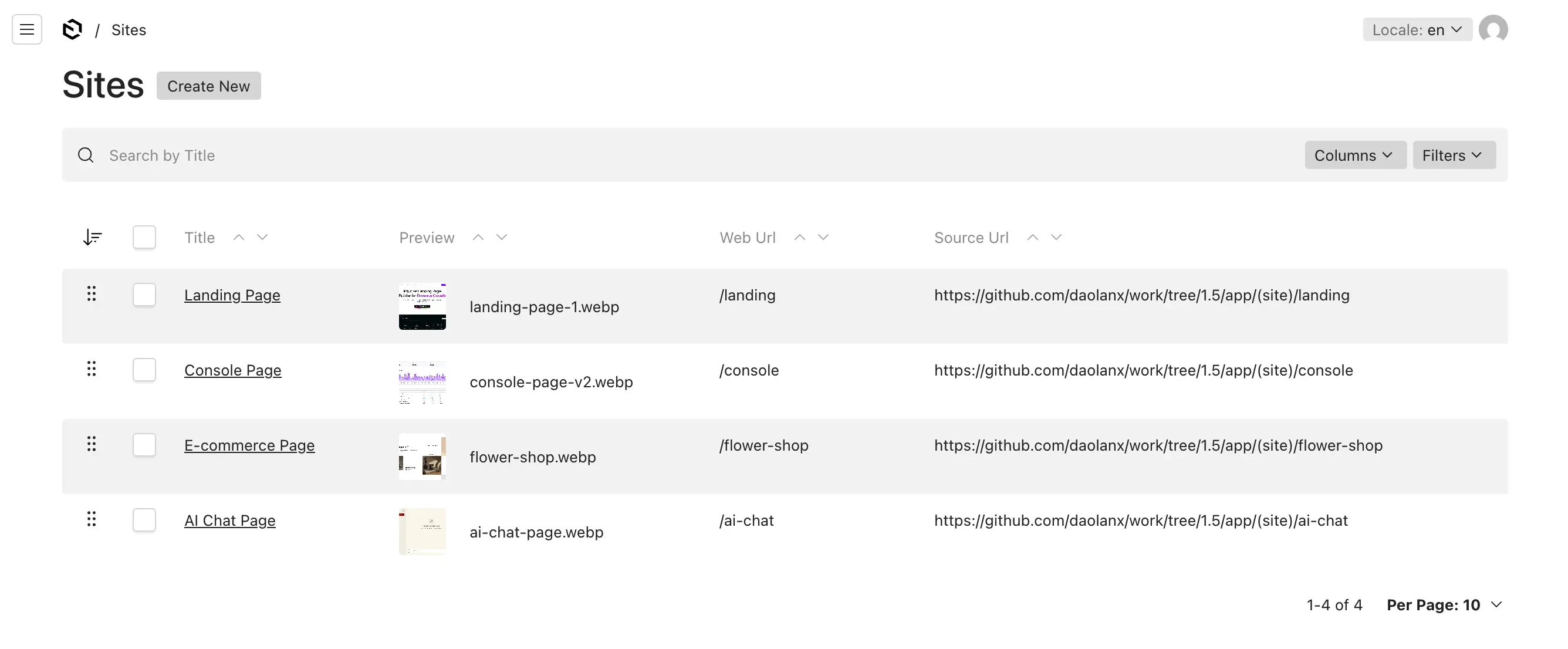
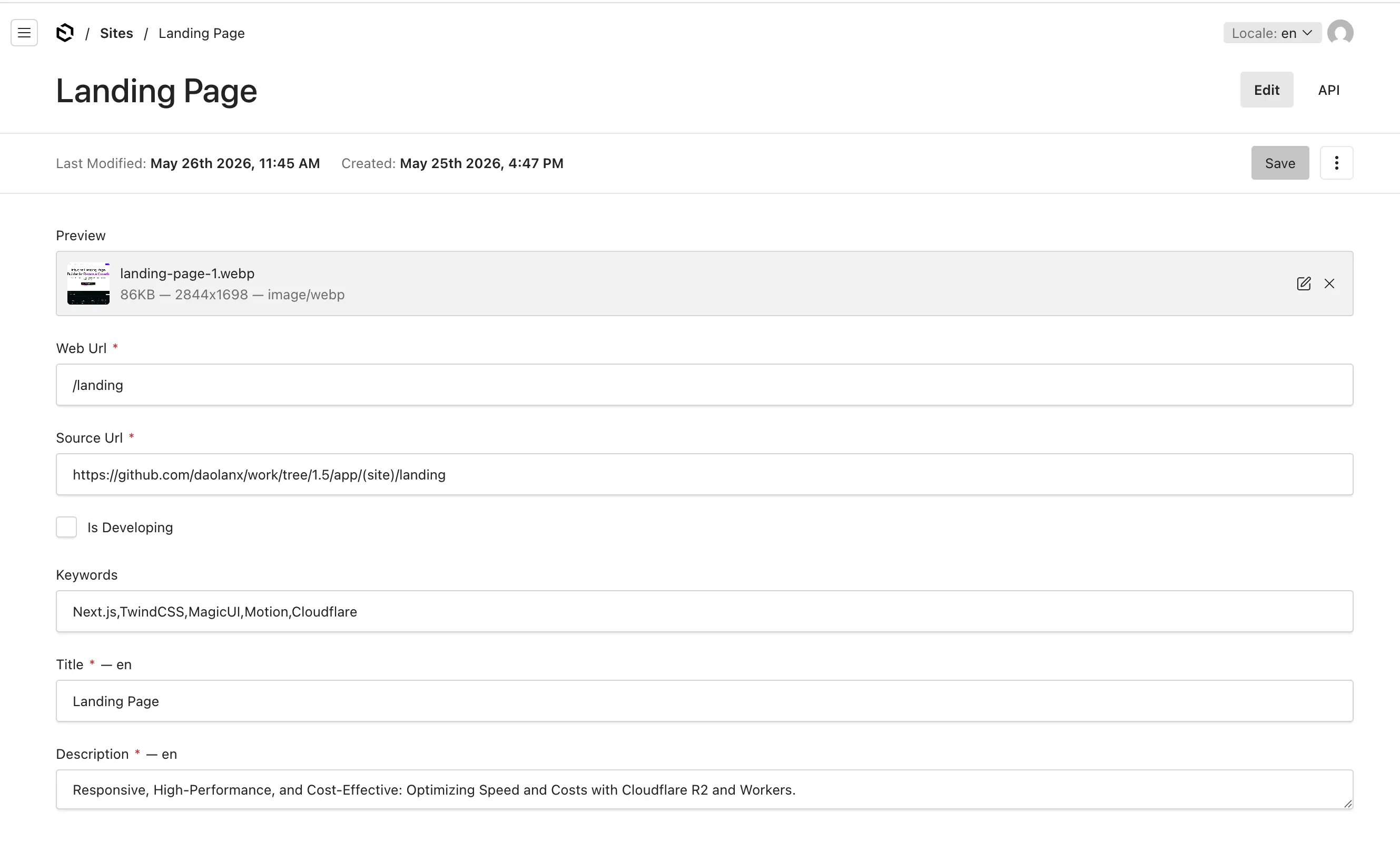
Below is a summary of key takeaways and architectural considerations from the integration process.
1. Why PayloadCMS?
PayloadCMS is built natively for Next.js. It acts more like a powerful core plugin that seamlessly handles the end-to-end CMS workflow of authoring and consumption:
- Efficient Authoring: Its code-first approach automatically generates a modern admin panel, complete with data management, authentication, media uploads, and live previews.
- Optimized Consumption: It provides a Local API that allows direct database access on the server side (React Server Components), bypassing network API overhead for excellent performance and flexibility.
- Full Control: It is completely open-source and free. All data is securely stored in your own database, meaning zero vendor lock-in.
2. Installation & Configuration
Follow the PayloadCMS Installation Docs for the initial setup, then configure your routing and the core config file. There are a few crucial points to note during this process:
2.1 Route Isolation
Since PayloadCMS’s RootLayout includes its own <html> tags, and its authentication and admin interaction logic are completely independent from your business code, its routes must be physically separated from your application routes using route groups.
The recommended directory structure is:
app/
├─ (payload)/
├── # Auto-generated admin routes and files by Payload
├─ (my-app)/
├── # Your core business application routes and files
2.2 payload.config.ts Core Configuration
This is my current Payload core config file. It covers custom multi-size image cropping, on-demand Next.js cache revalidation (ISR), multi-language support (i18n), and direct cloud storage integration. Please pay close attention to the comments for architectural insights.
// @ts-nocheck -- needed because payload generate:types uses a tsx version that can't parse import type
import { postgresAdapter } from "@payloadcms/db-postgres"
import { s3Storage } from "@payloadcms/storage-s3"
import { revalidatePath } from "next/cache"
import { buildConfig } from "payload"

// Pre-emptive env check: prevents silent failures in stateless serverless deployments (e.g. Vercel)
if (!process.env.PAYLOAD_SECRET) throw new Error("PAYLOAD_SECRET is missing")
if (!process.env.DATABASE_URL) throw new Error("DATABASE_URL is missing")

// ==========================================
// 1. Media
// ==========================================
const Media = {
  slug: "media",
  upload: {
    // Auto-generates physical variants at different sizes for responsive images on the frontend
    imageSizes: [
      { name: "thumbnail", width: 300, height: 200, position: "centre" },
      { name: "card", width: 1200, height: 514, position: "centre" },
    ],
  },
  fields: [
    {
      name: "alt",
      type: "text",
      required: true, // Required for SEO and a11y
    },
  ],
}

// ==========================================
// 2. Sites
// ==========================================
const Sites = {
  slug: "sites",
  orderable: true, // Enable drag-and-drop sorting in the admin panel
  admin: {
    useAsTitle: "title",
  },
  hooks: {
    // On-demand ISR revalidation: automatically clears the Next.js cache for the route when data changes
    afterChange: [async () => revalidatePath("/")],
    afterDelete: [async () => revalidatePath("/")],
  },
  fields: [
    {
      name: "preview",
      type: "upload",
      relationTo: "media", // Strong relation to the Media collection
    },
    { name: "webUrl", type: "text", required: true },
    { name: "sourceUrl", type: "text", required: true },
    { name: "isDeveloping", type: "checkbox", defaultValue: false },
    { name: "keywords", type: "text" },
    {
      name: "title",
      type: "text",
      required: true,
      localized: true, // Enable field-level i18n
    },
    {
      name: "description",
      type: "textarea",
      required: true,
      localized: true,
    },
  ],
}

// ==========================================
// 3. Tiers
// ==========================================
const Tiers = {
  slug: "tiers",
  orderable: true,
  admin: {
    useAsTitle: "type",
  },
  hooks: {
    afterChange: [async () => revalidatePath("/landing")],
    afterDelete: [async () => revalidatePath("/landing")],
  },
  fields: [
    { name: "variantId", type: "text", required: true },
    { name: "priceMonthly", type: "number", required: true, min: 0 },
    { name: "priceAnnually", type: "number", required: true, min: 0 },
    {
      name: "type",
      type: "select",
      required: true,
      unique: true, // Ensures each tier (e.g., free) is globally unique
      options: ["free", "pro", "max"],
    },
  ],
}

export default buildConfig({
  secret: String(process.env.PAYLOAD_SECRET),
  collections: [Media, Sites, Tiers],
  globals: [], // Singleton data (e.g., site-wide config, global navigation) can be registered here

  localization: {
    locales: ["en", "zh"],
    defaultLocale: "en",
    fallback: true, // Falls back automatically when a localized value is missing, preventing frontend undefined errors
  },

  db: postgresAdapter({
    pool: {
      connectionString: process.env.DATABASE_URL,
    },
    // Namespace isolation: keeps CMS-generated tables within the "payload" schema to avoid polluting core business tables
    schemaName: "payload",

    // Schema sync strategy
    // Local dev: enabled (true) — auto-sync table structure when TS config changes, improving DX
    // Production: disabled (false) — enforces strict safety via `payload migrate` flow to prevent accidental column drops and data loss
    push: process.env.NODE_ENV === "development",
  }),

  // ==========================================
  // Edge storage & cloud integration (Cloudflare R2)
  // ==========================================
  plugins: [
    s3Storage({
      enabled: true,
      collections: {
        media: {
          prefix: "medias",
          // Direct-link strategy: bypasses proxy and exposes the R2 custom domain directly
          // filename is already handled by the underlying layer with original or variant suffixes (e.g., xxx-thumbnail.jpg), just concatenate
          generateFileURL: ({ filename, prefix }) => {
            const baseUrl =
              process.env.NEXT_PUBLIC_R2_PUBLIC_URL ||
              "https://assets.daolanx.com"
            const dir = prefix ? `/${prefix}` : ""
            return `${baseUrl}${dir}/${filename}`
          },
        },
      },
      bucket: process.env.UPLOAD_R2_BUCKET || "uploads",
      config: {
        region: "auto",
        endpoint: process.env.UPLOAD_R2_ENDPOINT,
        credentials: {
          accessKeyId: String(process.env.UPLOAD_R2_ACCESS_KEY_ID),
          secretAccessKey: String(process.env.UPLOAD_R2_SECRET_ACCESS_KEY),
        },
        requestChecksumCalculation: "WHEN_REQUIRED",
        responseChecksumValidation: "WHEN_REQUIRED",
      },
      acl: "public-read",
      // Required for serverless: forces streaming upload, prevents files from being temporarily stored on the ephemeral server disk
      disableLocalStorage: true,
    }),
  ],
})
3. Other Notes
3.1 importMap.js Maintenance
importMap.js is a component mapping table generated by Payload. Its core purpose is to allow Next.js to correctly compile and bundle custom admin UI components.
⚠️ Note: Never edit this file manually. If you encounter errors in the admin panel regarding missing modules, simply run the following command in your terminal to regenerate it:
pnpm payload generate:importmap
3.2 Page-Level revalidate Fallback
In pages that consume CMS data, you can optionally add a time-based cache configuration to implement ISR. For example, caching for one hour:
export const revalidate = 3600Takeaway: This may seem redundant alongside revalidatePath in the admin hooks, but it is actually critical in production. It acts as a robustness fallback, effectively preventing situations where a webhook trigger fails or data is modified directly in the database, which would otherwise cause the frontend page cache to become permanently stale.
4. Related PR
For the complete integration and file restructuring process, please refer to this PR: https://github.com/daolanx/work/pull/4