From Idea to Code: Using Stitch with Claude Code and Figma MCP
1. The Results
First, let’s jump straight to the results. Since I started using Stitch, the improvement in overall design quality has been massive.
Before: An AI Chat Web UI built manually based on “programmer’s intuition”
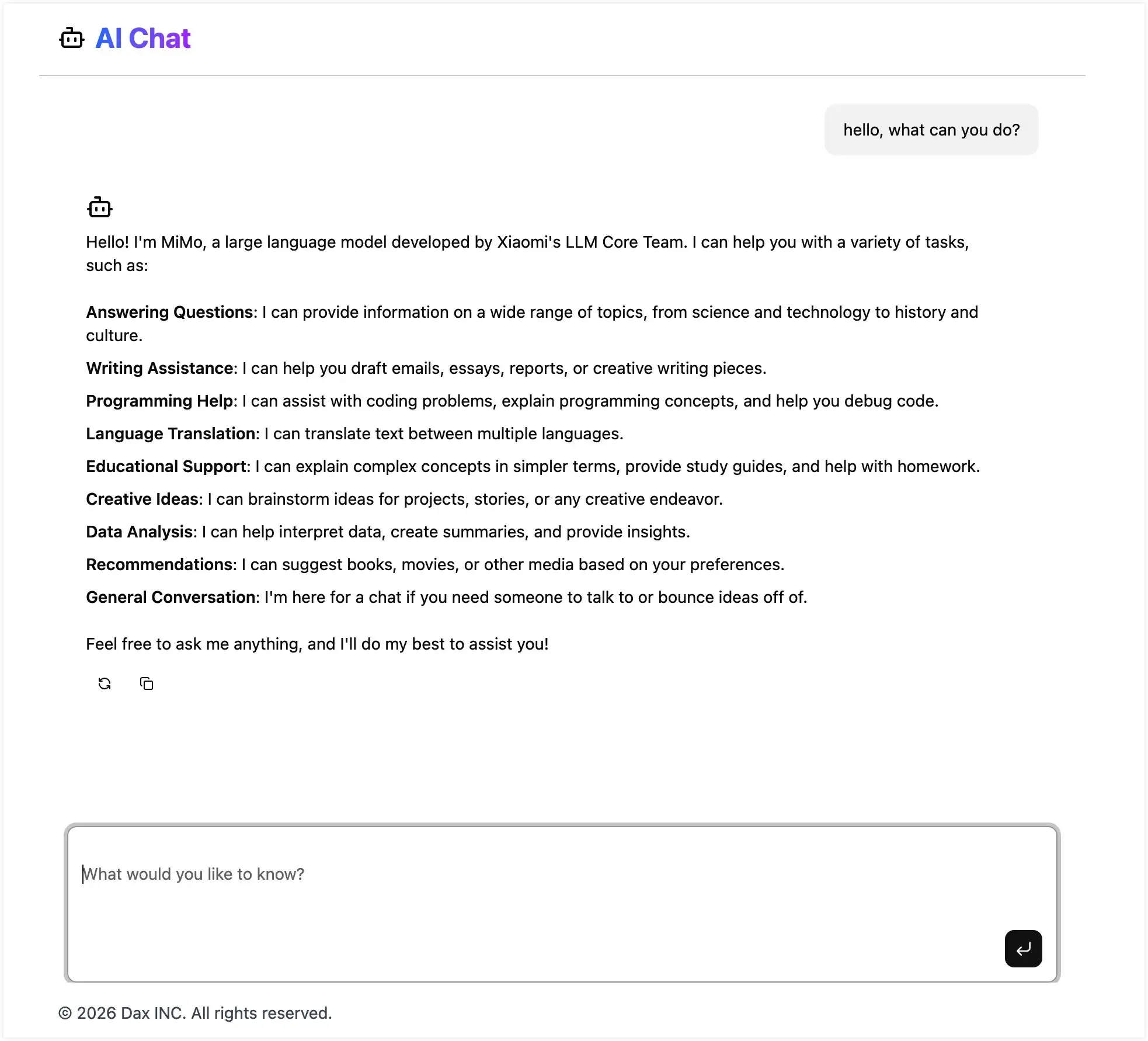
After: Implementation using Stitch combined with Claude Code + Figma MCP
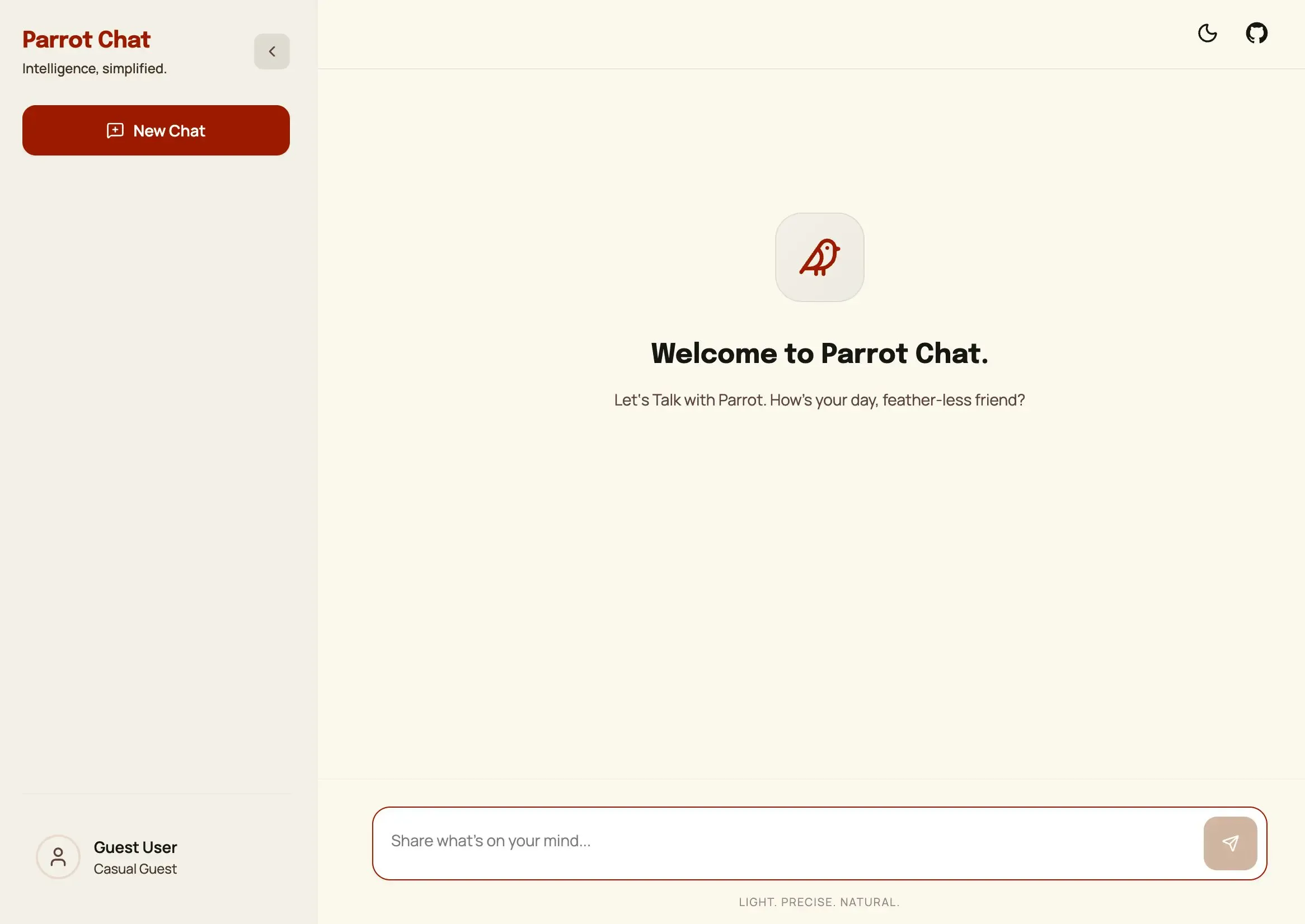
You can check out the Live Demo here: https://demo.daolanx.com/ai-chat
2. The Process
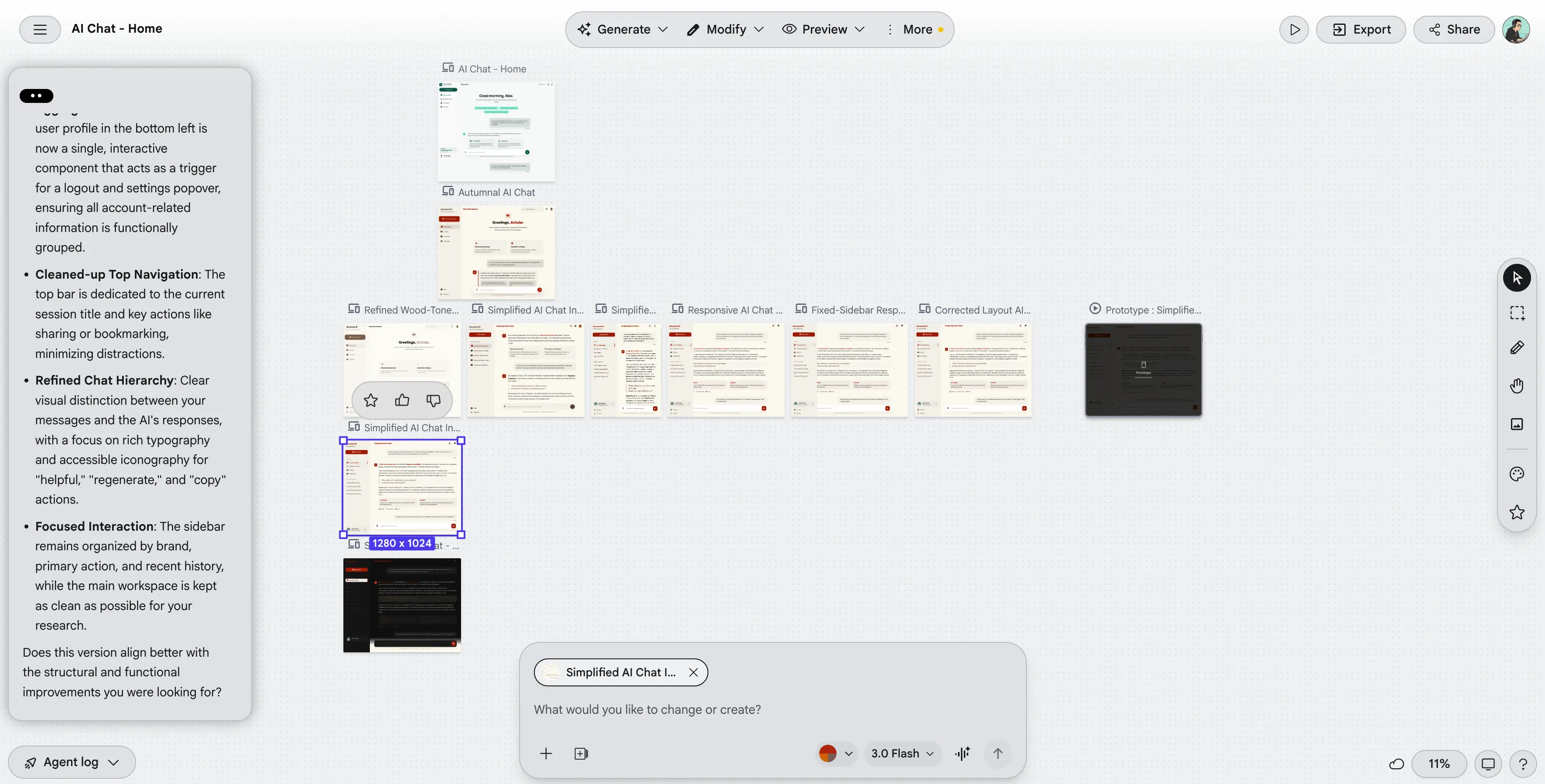
2.1 Using AI in Stitch to Assist with Design Drafts
Using Stitch is just like a regular chat. You input your ideas and descriptions, and it generates a corresponding design draft. You can keep refining it through conversation, and it will iterate on the design based on your feedback.
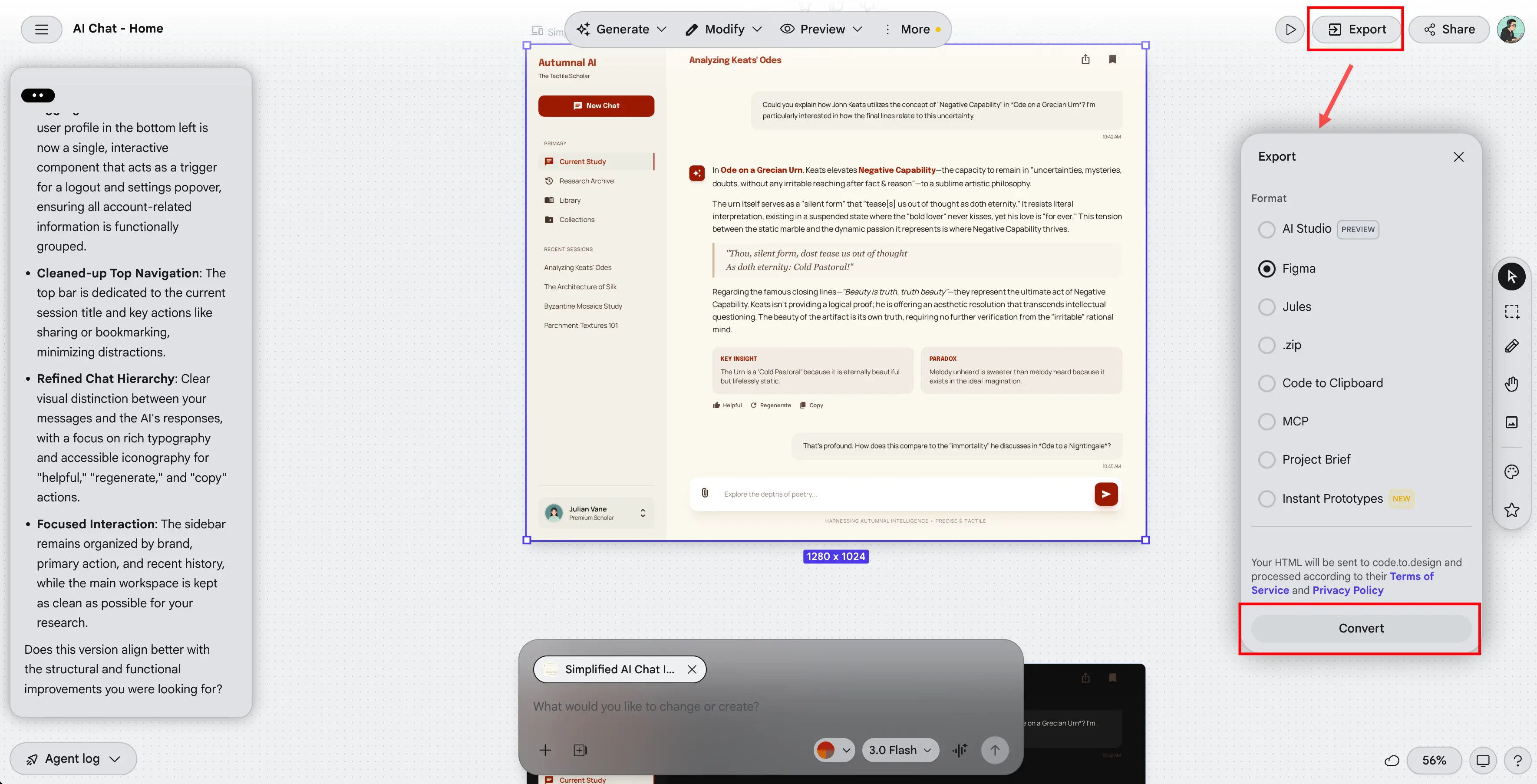
2.2 Exporting to Design Software Formats
Once you’re happy with a version, you can export it directly.
2.3 Design-to-Code Implementation
This part follows the same steps as my previous post, Design-to-Code with Claude Code + Figma MCP, so I won’t repeat the details here.
Summary
As you can see, the actual steps are quite simple. But when we evaluate production tools and workflows, it’s not just about simplicity. For a developer, the real value—and why I think it’s worth documenting—lies in the ability to close the loop on the pre-production design phase and seamlessly integrate it into a real MVP workflow:
1. Bridging the Design Gap for Developers
Most developers don’t have a strong design background. Stitch goes a long way in filling that gap, effectively expanding what we are capable of building. It moves us beyond just being “design-to-code” translators or functional developers; now, we can take a raw idea and turn it into a functional MVP independently.
Of course, this doesn’t mean Stitch replaces “good design” entirely. Much like how AI assists in coding, AI-driven design still relies heavily on the user’s product sense and taste. The precision and control in prompting—and knowing what looks right—will always create a gap between professional and amateur results.
2. Enable Integrating into the MVP Workflow
There are many “skill + AI” solutions out there for generating code that attempts to mimic design. In comparison, Stitch feels simpler and more stable because the stages are clearly defined: you handle the design during the design phase, and then move to pure design-to-code execution. For MVP-style products, this can be integrated into a production pipeline almost immediately.